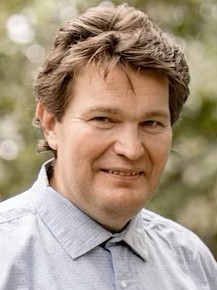
Pieter Spanoghe
Ghent University, Belgium
Pieter Spanoghe is Professor and has been Head of the Department of Crop Protection Chemistry at the Ghent University since 2012. The Laboratory, as part of the department of Crop Protection, is highly skilled in the monitoring of pesticide residues in crops and foodstuff and environmental samples (soil, water and air), and the study of possible side effects of pesticide usage and environmental risk assessment and risk management. Pieter Spanoghe is author and co-author of more then 100 A1 published articles.
In 2019 he organized the 14th global IUPAC symposium on pesticides in Ghent.
In an European research context, he has been and is involved in several EU projects: (6th EU FW HAIR project (pesticide risk indicators), 7th EU Veg-I-Trade project (risk assessment of pesticides in food), 7th EU Acropolis (cumulative risk assessment), 7th EU Eco-Zeo (formulation of zeolites as green crop protection agents), 7th EU Browse project (worker exposure to pesticides), Horizon 2020 Euromix (cumulative and aggregated risk assessment of chemicals). For EFSA he has been involved in the “Collection and assessment of data relevant for non-dietary cumulative exposure to pesticides and proposal for conceptual approaches for non-dietary cumulative exposure assessment” (CT/EFSA/PPR/2010/04) and the ‘Collection of pesticide application data in view of performing Environmental Risk Assessments for pesticides’ (CFT/EFSA/PPR/2012/05). He contributes to the activities of the Horizon 2020 CoFresh project and the coordination of the thERBN Thematic Network project. The first project considers “CO-creating sustainable and competitive FRuits and vEgetableS’ value cHains in Europe”, the secund is on innovations in the bio-economy.
Since 2019 he is coordinator of three similar Horizon2020 projects: Euraknos, Eureka and EU-FarmBook. These multi-actor projects aim to increase dissemination by setting up a digital European agricultural platform where knowledge objects and results of agricultural and forestry research are stored in open access.